What Is Acne and How Can We Treat It?
Acne is one of the most common skin conditions and can affect people at almost any age. Although it is particularly common during the teenage years, many people continue to experience acne throughout adulthood or develop it for the first time later in life.
It can range from mild congestion and occasional spots to painful, inflamed breakouts that affect the face and body. Acne can also have a significant effect on confidence and emotional wellbeing, making early and appropriate treatment important.
What causes acne?
Acne develops when the hair follicles within the skin become blocked.
Sebaceous glands naturally produce an oily substance called sebum, which helps protect and lubricate the skin. When too much sebum is produced, it can combine with dead skin cells and create a plug within the follicle. Bacteria that normally live harmlessly on the skin can then contribute to inflammation, leading to different types of spots.
Acne is not caused by dirty skin or poor hygiene. In fact, aggressively cleansing or scrubbing the skin can damage its protective barrier and make inflammation worse.
What factors can contribute to acne?
Several factors may play a role in the development of acne or trigger a flare-up:
- Hormonal changes during puberty, menstruation, pregnancy or adulthood
- Genetics and a family history of acne
- Certain medications
- Stress, which may make existing acne more noticeable
- Some cosmetic, skincare or haircare products
- Friction, pressure, heat and sweating
- Certain underlying hormonal conditions
Diet may influence acne in some individuals, but it is rarely the only cause. There is no single “acne diet” that will work for everyone, and cutting out entire food groups without appropriate guidance is not recommended. A balanced, varied diet remains the best approach for general skin and overall health.
What does acne look like?
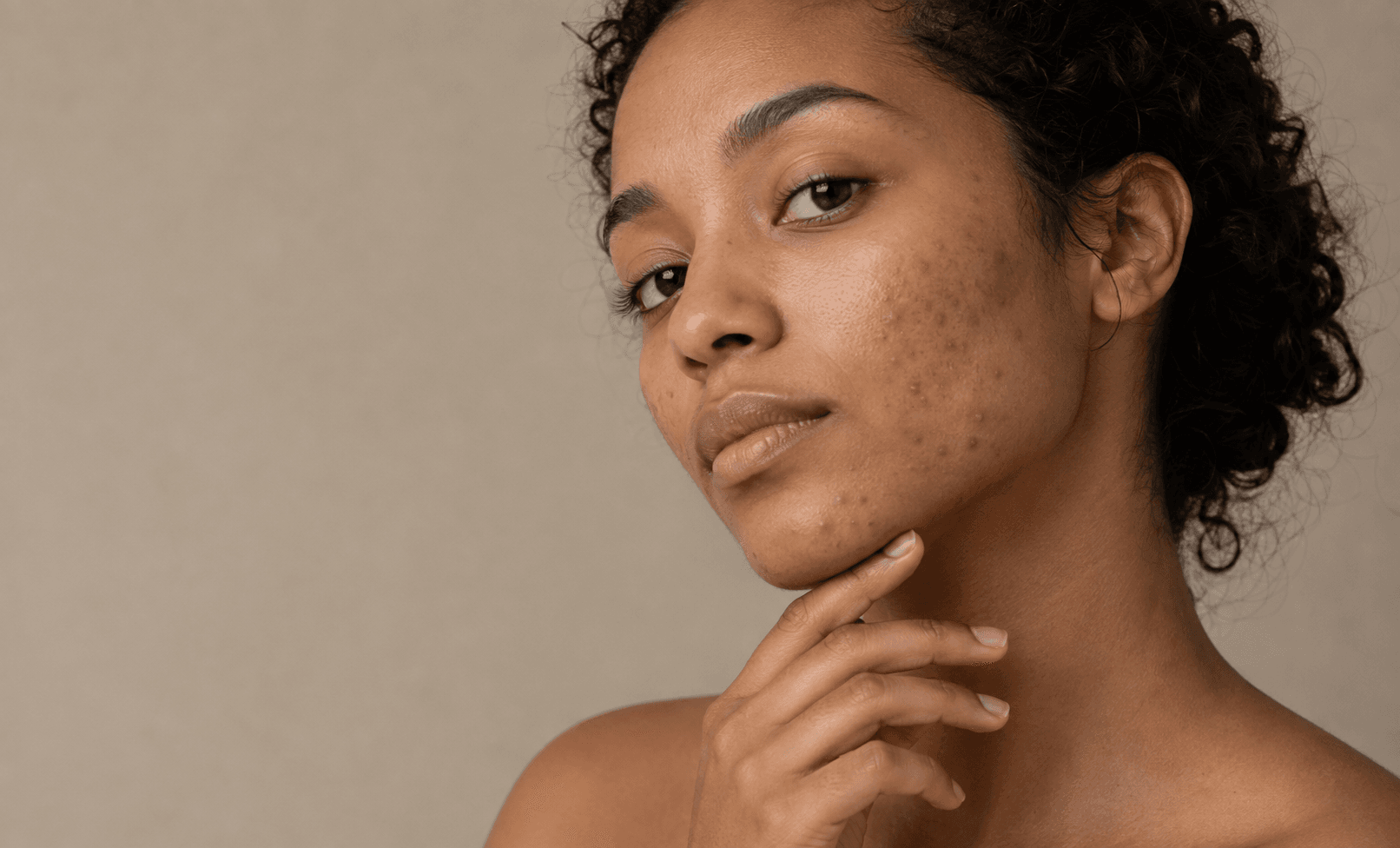
Acne can have a different appearance depending on its type and severity. It may include:
- Blackheads: Small open bumps that appear dark because of changes within the blocked follicle—not because the pore contains dirt
- Whiteheads: Small closed bumps beneath the surface of the skin
- Papules: Inflamed red or darker bumps that may feel tender
- Pustules: Inflamed spots with a visible white or yellow centre
- Nodules: Larger, hard lumps that develop beneath the skin and may be painful
- Cysts: Deep, inflamed lesions that carry a greater risk of permanent scarring
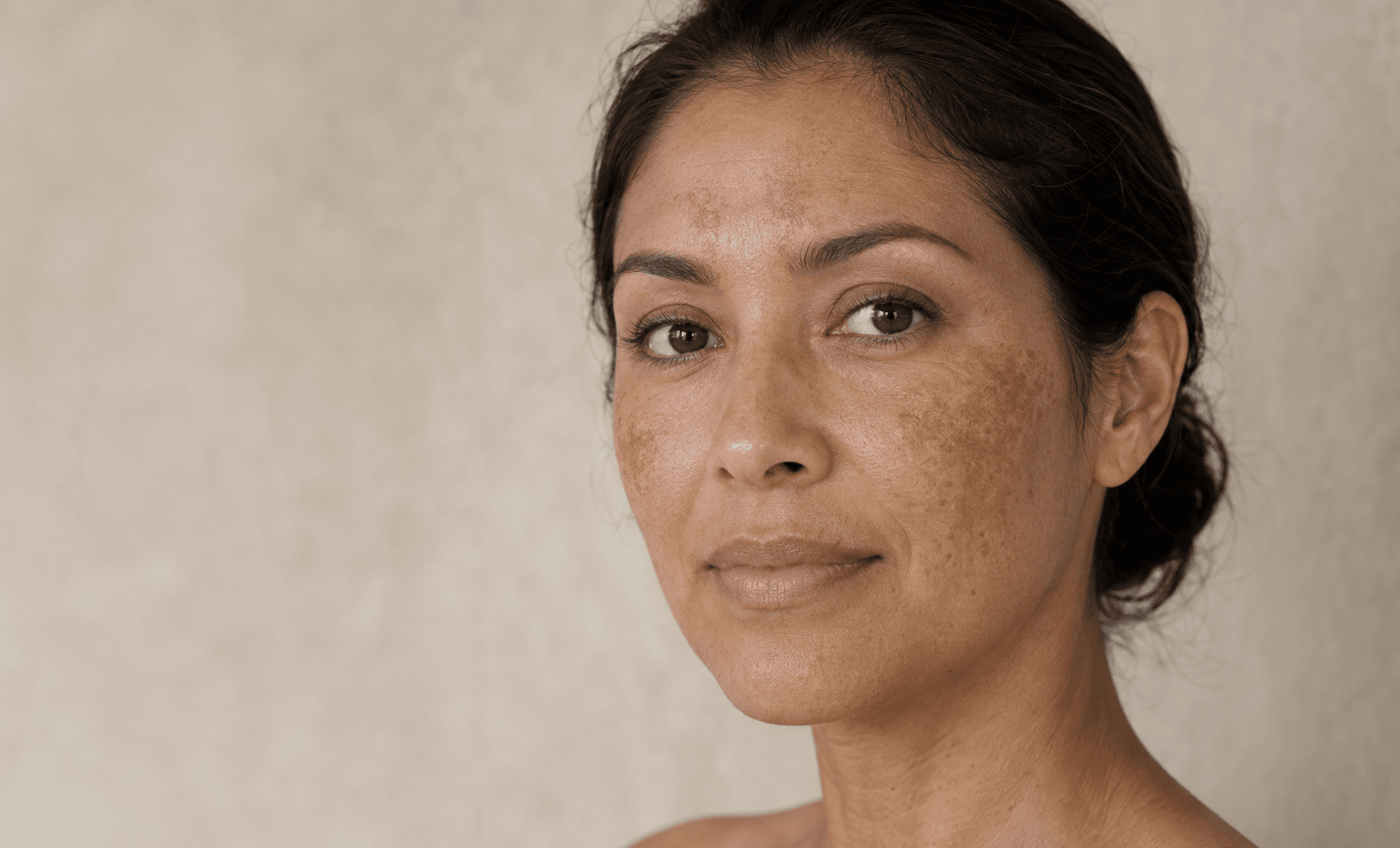
Acne most commonly affects the face, chest, shoulders and back. It can also leave areas of redness or darker pigmentation behind after a spot has healed. These marks are not always true scars and may gradually fade, although this can take time.
Can acne be cured?
There is no instant cure for acne, but it can usually be controlled with the right treatment and consistent care.
It is important to be patient. Most acne treatments take several weeks or months to produce a noticeable improvement, and changing products too frequently can make it difficult to understand what is working.
The most appropriate plan will depend on the type and severity of your acne, your skin sensitivity, your medical history and whether scarring is beginning to develop.
How can acne be treated?
Mild acne may respond to carefully selected skincare ingredients that help reduce congestion, regulate oil, encourage healthy skin-cell turnover and calm inflammation.
Depending on the skin, a personalised routine may include ingredients such as:
- Salicylic acid
- Benzoyl peroxide
- Azelaic acid
- Retinoids
- Niacinamide
Not every ingredient will be suitable for every patient, and some acne treatments should not be used during pregnancy. Introducing too many strong products at once can also irritate the skin and potentially worsen inflammation.
Moderate or severe acne may require prescription treatment from a GP or dermatologist. This can include prescription creams, antibiotics, hormonal treatments or tretinoin, depending on the individual. Professional skincare should support appropriate medical care, not delay or replace it.
How can M/C Skin help?
At M/C Skin, we take a personalised approach rather than applying the same routine to every breakout.
During a skin consultation, we will assess your skin, discuss your current products and explore any factors that may be contributing to your concerns. Where appropriate, OBSERV skin imaging can help us look more closely at congestion, oil distribution, inflammation and post-acne pigmentation.
We offer ZO Skin Health and Obagi Medical skincare, allowing our skin therapists to create a structured morning and evening protocol suited to your skin. Professional skin treatments may also be introduced when appropriate, but the priority is always to protect the skin barrier and avoid causing unnecessary irritation.
What can be done about acne scarring?
The first priority is to bring active acne under control. Treating scarring while new breakouts are continuing may be less effective and could irritate already inflamed skin.
Once the acne is stable, a skin consultation can help determine whether the concern is true scarring or post-inflammatory redness or pigmentation, as each requires a different approach.
For suitable patients, SkinPen microneedling may help improve the appearance of some types of indented acne scarring. SkinPen is an FDA-cleared microneedling device that creates controlled microchannels within the skin, stimulating the natural healing response and supporting new collagen production.
A course of treatments may help soften the appearance of scarring and improve overall skin texture. However, microneedling is not suitable for active, inflamed acne, and not every type of scar will respond in the same way.
How should I care for acne-prone skin?
A few simple habits can help support your treatment plan:
- Cleanse gently morning and evening using lukewarm water
- Avoid scrubbing, harsh exfoliation and cleansing more than twice a day
- Do not squeeze or pick spots, as this can increase inflammation and scarring
- Choose non-comedogenic skincare, moisturiser, makeup and sunscreen
- Remove makeup thoroughly before going to bed
- Use a suitable moisturiser to protect the skin barrier, even if your skin feels oily
- Apply broad-spectrum sunscreen every morning
- Keep hair and haircare products away from acne-prone areas where possible
- Shower after exercise if sweat is irritating your skin
- Follow your recommended routine consistently and allow it time to work
When should I seek medical advice?
Speak to a pharmacist, GP or dermatologist if:
- Your acne is moderate or severe
- You have painful nodules or cysts
- You are beginning to develop scars
- Over-the-counter products have not helped
- Your acne appeared suddenly or is accompanied by other symptoms
- It is having a negative effect on your confidence or emotional wellbeing
Acne is not something you simply have to put up with. With the right assessment, consistent skincare and medical support where necessary, it is possible to achieve calmer, healthier and more balanced-looking skin.