Fact's About Melasma
What is melasma?
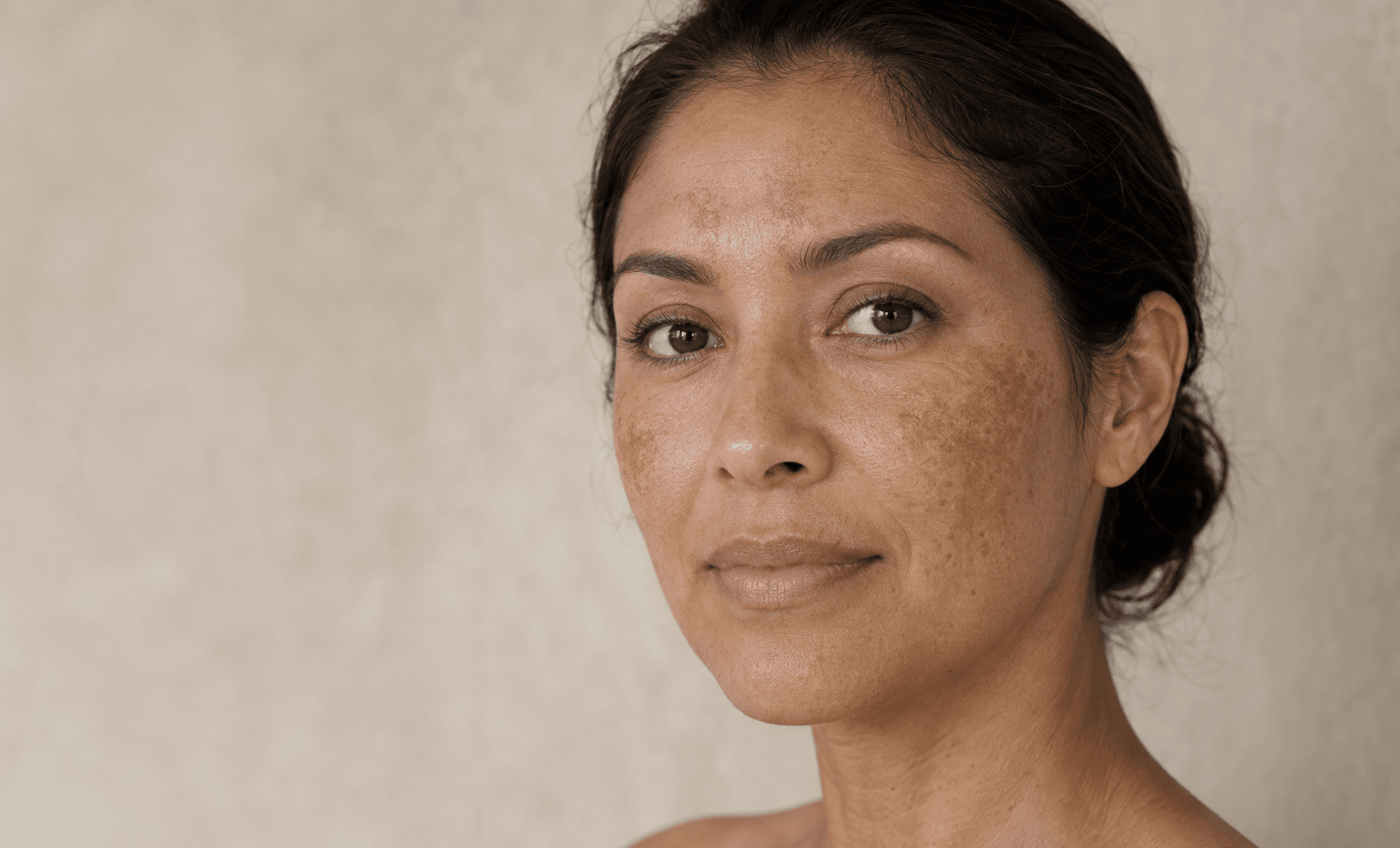
Melasma is a common skin condition that causes flat, brown or greyish patches of pigmentation to develop on the skin. It most frequently appears on the face—particularly across the forehead, cheeks, upper lip, nose and chin—and often forms in a symmetrical pattern.
Although melasma is not painful, contagious or harmful, its appearance can have a significant effect on confidence. Understanding its triggers is an important part of managing the condition effectively.
What causes melasma?
Melasma develops when melanocytes—the cells responsible for producing pigment—become overactive and create too much melanin.
The exact cause is not fully understood, but several factors are known to contribute to its development or make existing melasma more noticeable:
- Pregnancy and hormonal changes
- Contraceptive pills and hormone replacement therapy
- Sun exposure, including UVA and UVB rays
- High-energy visible light from sunlight
- Sunbeds and some forms of phototherapy
- Certain medications
- Genetics and a family history of melasma
Melasma is more common in women and people with medium to deeper skin tones, although it can affect anyone.
Why can melasma become worse during summer?
Sunlight is one of the most significant triggers for melasma. Exposure to ultraviolet and visible light can stimulate the melanocytes, causing affected areas to become darker and more noticeable.
This is why melasma often appears more prominent during the summer and may fade slightly throughout the winter. Even small amounts of repeated sun exposure can cause the pigmentation to return, making consistent daily protection essential throughout the year.
Although visible blue light from the sun may contribute to melasma, there is currently no evidence that the blue light emitted by phones, tablets or computers has the same effect on the skin.
What does melasma look and feel like?
Melasma usually appears as irregular patches of pigmentation that are darker than the surrounding skin. The patches are flat rather than raised and do not normally feel sore, itchy or uncomfortable.
Because other forms of pigmentation can sometimes look similar, it is important to seek medical advice if a patch is new, changing, bleeding, uncomfortable or causing concern.
Can melasma be cured?
There is currently no permanent cure for melasma. However, with the right skincare, treatment plan and daily protection, its appearance can often be improved and the condition managed effectively.
Melasma can be persistent and may return after treatment—particularly following sun exposure or hormonal changes. It is therefore better approached as a long-term condition that requires ongoing management rather than a concern that can be treated once and forgotten.
How can melasma be treated?
The most appropriate approach will depend on the depth of the pigmentation, its possible triggers and your individual skin.
A personalised plan may include ingredients that help regulate melanin production, such as azelaic acid, vitamin C, retinoids or other pigment-inhibiting formulations. Hydroquinone may also be prescribed in some circumstances, but it must only be used for a limited period and under appropriate medical supervision.
Professional treatments, including carefully selected chemical peels, may support a wider pigmentation programme. However, melasma must be treated cautiously, as aggressive products, heat, inflammation and unsuitable procedures can potentially make the pigmentation worse.
Hydroquinone and topical retinoids should not be used during pregnancy.
How can I help prevent melasma from becoming worse?
Sun and visible-light protection are central to managing melasma. We recommend:
- Applying a broad-spectrum SPF 50 with strong UVA protection every morning
- Choosing a tinted sunscreen containing iron oxides for additional protection from visible light
- Reapplying sunscreen regularly when outdoors
- Wearing a wide-brimmed hat and seeking shade where possible
- Avoiding sunbeds
- Using gentle skincare that does not irritate or inflame the skin
- Following a personalised skincare programme recommended by a qualified professional
If pregnancy has triggered your melasma, be particularly consistent with sun protection. In some cases, pregnancy-related melasma may gradually improve after giving birth, although it can return in the future.
Understanding your pigmentation
Successfully managing melasma begins with understanding your skin and identifying its likely triggers. During a skin consultation at M/C Skin, we can assess your concerns and create a personalised skincare and treatment plan designed to manage pigmentation without unnecessarily irritating the skin.
Where appropriate, advanced OBSERV imaging can also help us examine patterns of pigmentation beneath the visible surface and monitor changes throughout your skin journey.
Melasma takes time and consistency to manage, but with the right professional guidance, daily protection and a long-term approach, it is possible to achieve a more even and balanced-looking complexion.