Sunbeds, Skin Health and Aesthetic Treatments: What You Need to Know
As an aesthetic clinic, we meet many patients who are proactive about their appearance—investing in anti-wrinkle treatments, dermal fillers, advanced skin treatments and medical-grade skincare. However, one subject that continues to deserve honest conversation is the use of sunbeds.
The hidden cost of tanning
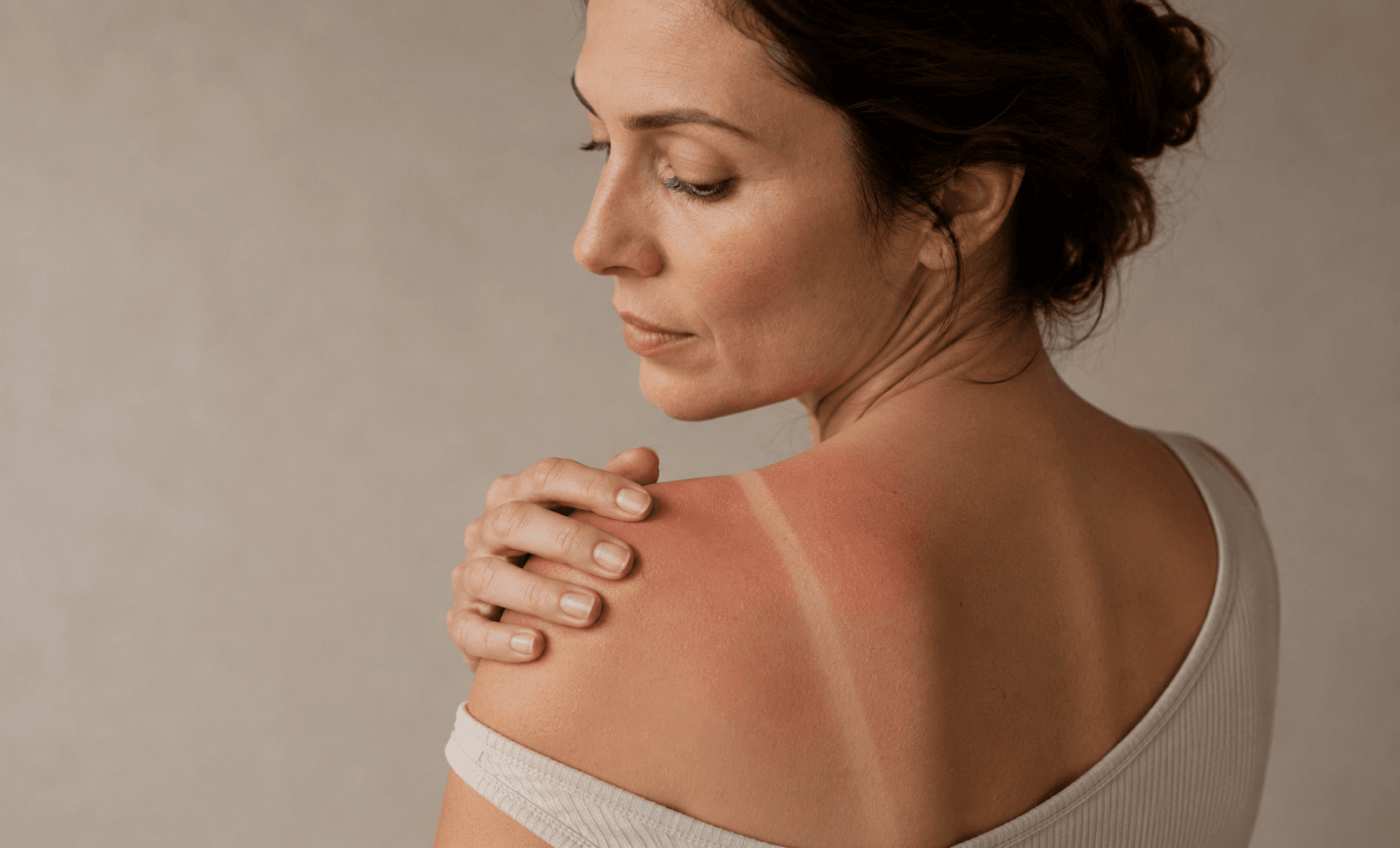
Although a golden glow may feel healthy, a tan is actually a visible response to skin-cell damage.
Sunbeds emit high-intensity ultraviolet radiation, which can damage the DNA within skin cells. This damage builds over time and increases the risk of premature skin ageing, pigmentation and skin cancer.
Sunbeds are not a safer alternative to tanning outdoors. According to Cancer Research UK, there is no such thing as a safe UV tan. Every time you use a sunbed, you damage your skin and increase your risk of developing skin cancer.
Melanoma is the most serious form of skin cancer because it can spread to other areas of the body. However, Cancer Research UK estimates that up to nine in ten cases of melanoma in the UK could be prevented by staying safe in the sun and avoiding sunbeds.
Aesthetics and skin health go hand in hand
Aesthetic treatments are designed to enhance your features, improve skin quality and support you in feeling more confident. However, these treatments should always form part of a wider approach to looking after the long-term health of your skin.
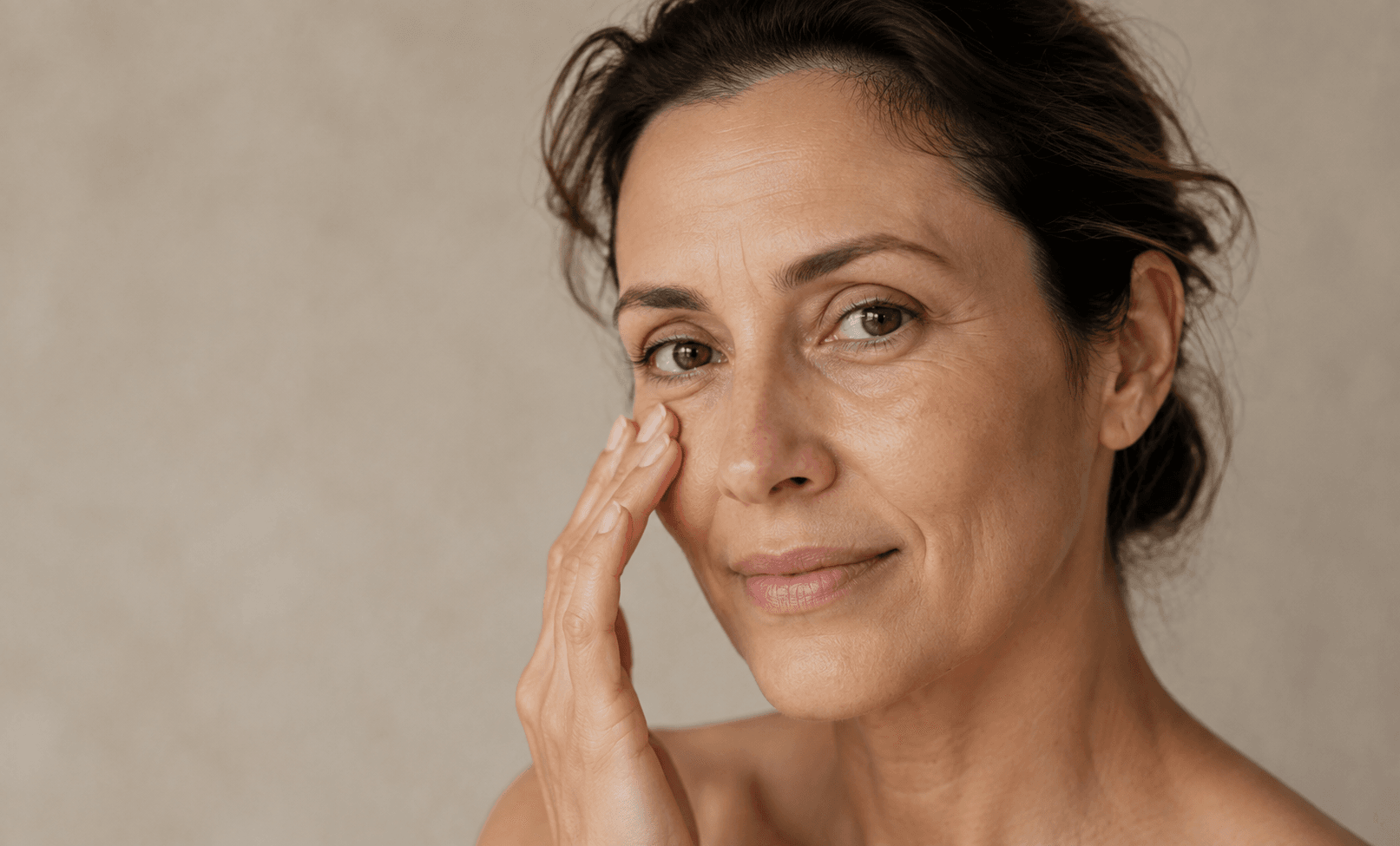
Ultraviolet exposure breaks down collagen and elastin—the proteins that help keep the skin firm, supported and resilient. Over time, repeated exposure can contribute to:
- Fine lines and premature wrinkles
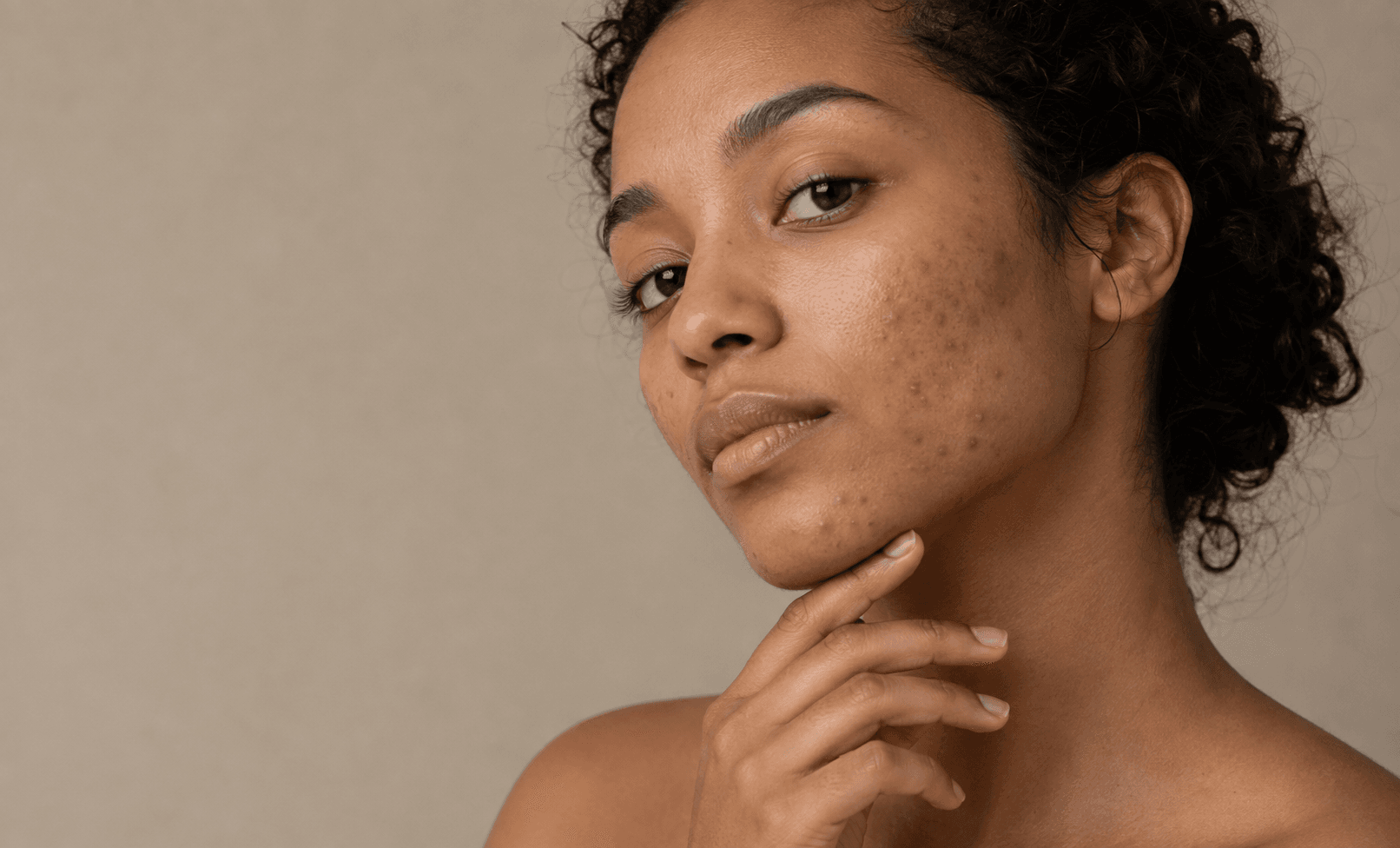
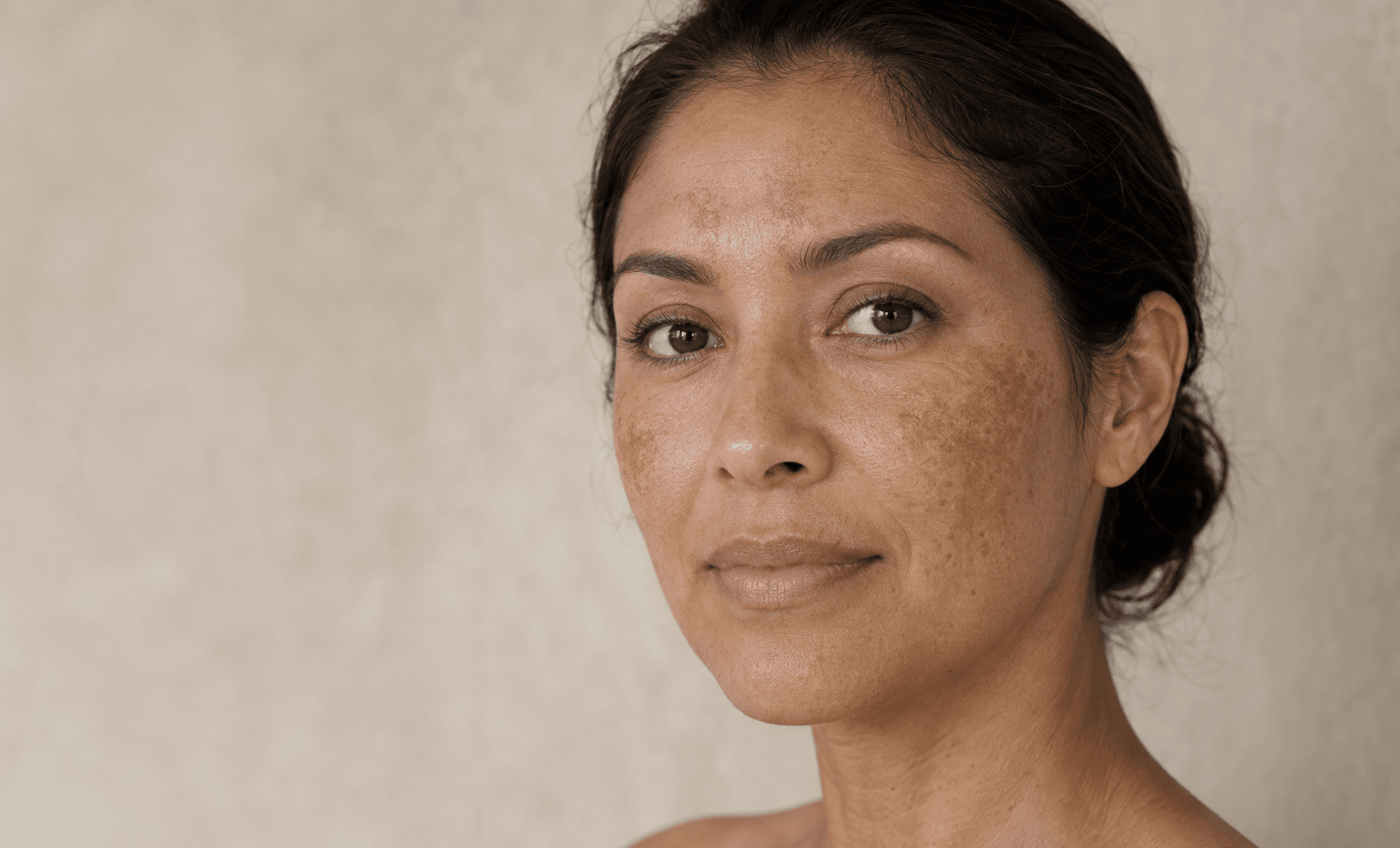
- Uneven pigmentation
- Loss of firmness and elasticity
- Rough or uneven skin texture
- Visible sun damage
- An increased risk of skin cancer
This means that while professional treatments and skincare can help improve the visible signs of ageing, repeated UV exposure continues to work against the skin-health improvements we are trying to achieve.
Aesthetic treatment should never take priority over investigating a suspicious mole, lesion or change in the skin. If an area causes concern, it should be medically assessed before cosmetic treatment is carried out over or around it.
Is there a safer way to achieve a tan?
If you enjoy having a bronzed appearance, self-tanning products and professional spray tans offer a much safer alternative. Modern formulas can create a natural-looking result without exposing the skin to harmful ultraviolet radiation.
It is important to remember that self-tan does not protect your skin from the sun. You will still need to use appropriate sun protection.
If you are preparing for IPL, laser or another advanced skin treatment, always follow the instructions provided by your practitioner regarding self-tan, as it may need to be completely removed before your appointment.
How can I protect my skin?
Looking after your skin does not mean avoiding the outdoors. It means taking sensible steps to reduce unnecessary ultraviolet exposure:
- Avoid sunbeds and tanning lamps completely
- Seek shade when the sun is strongest
- Wear protective clothing, sunglasses and a wide-brimmed hat
- Apply a broad-spectrum sunscreen of at least SPF 30 with strong UVA protection
- Use sunscreen generously and reapply it regularly when outdoors
- Avoid allowing your skin to burn
- Check your skin regularly for new or changing marks
No sunscreen can provide complete protection, so it should be used alongside shade and protective clothing rather than as permission to remain in strong sunlight for longer.
What changes should I look for?
Getting to know what is normal for your skin makes it easier to notice when something changes.
Seek advice from your GP if you notice:
- A new or unusual mark that has not disappeared after a few weeks
- A mole that changes in size, shape or colour
- A mark or lesion that repeatedly scabs, bleeds or does not heal
- A mole that becomes sore, swollen, itchy or crusty
- A growth that looks noticeably different from the other marks on your skin
- An unexplained dark area beneath a nail
Remember the ABCDE rule
The ABCDE rule can help you identify some of the changes associated with melanoma:
A – Asymmetry
Does one half of the mole look different from the other?
B – Border
Are the edges irregular, blurred or uneven?
C – Colour
Does the mole contain an uneven mixture of colours or shades?
D – Diameter
Is it larger than approximately 6mm? Remember that melanomas can sometimes be smaller.
E – Evolving
Has the mole changed in size, shape, colour or texture? Has it started bleeding, itching, crusting or becoming uncomfortable?
Not every melanoma will follow the ABCDE pattern. Some may be small or initially appear quite innocent. A useful additional sign is the “ugly duckling”—a mole or mark that looks noticeably different from the others on your body.
If you are concerned about any area of your skin, do not wait for it to meet every point on a checklist. Arrange an assessment with your GP. The NHS advises that new or changing moles and unusual marks that do not go away should be checked.
Why early assessment matters
When detected at an early stage, many skin cancers can be treated effectively, often with surgery. If a melanoma is allowed to progress and spread to other areas of the body, treatment becomes significantly more complex.
Checking your skin regularly and reporting changes promptly can make an important difference. An aesthetic consultation or skin analysis is not a substitute for a medical mole assessment.
Skin health always comes first
Aesthetics is about more than simply looking good. It should be about supporting healthy skin, making informed decisions and protecting your results for the future.
We encourage every patient—particularly anyone currently using sunbeds—to consider the long-term effect of repeated UV exposure. There is no safe way to tan using ultraviolet radiation, but there are safer ways to achieve the appearance of a tan.
You deserve to look and feel your best without compromising the health of your skin.